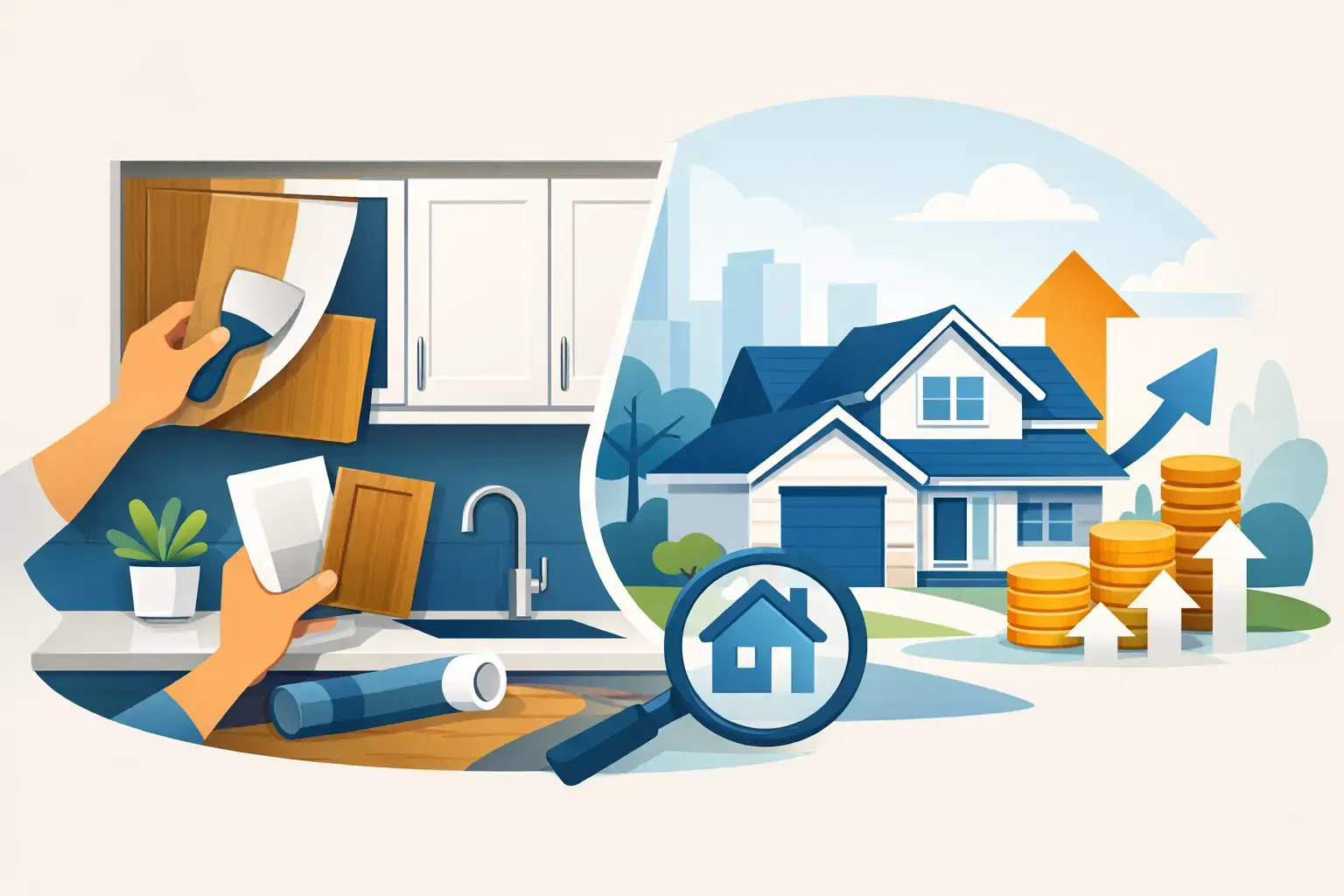
A dated kitchen can make an otherwise well-kept home feel older than it is. So, will refacing increase home value? It can, especially when the existing cabinet boxes are solid and the kitchen needs a cleaner, more current look without the cost of a complete tear-out. Refacing is not a guarantee of a dollar-for-dollar return, but it can make a meaningful difference in buyer appeal, perceived condition, and the price a home can reasonably support.
For many Northeast Ohio homeowners, the better question is not whether refacing will make the home worth more on paper. It is whether the finished kitchen will help the home compete with similar properties while keeping the remodeling budget under control. In many cases, that answer is yes.
How Cabinet Refacing Can Affect Home Value
Kitchens carry a lot of weight with buyers. They are one of the first rooms people judge, and worn cabinet doors, outdated finishes, or mismatched hardware can pull attention away from everything else a home has going for it. A kitchen that looks clean, cared for, and reasonably current helps buyers picture themselves living there.
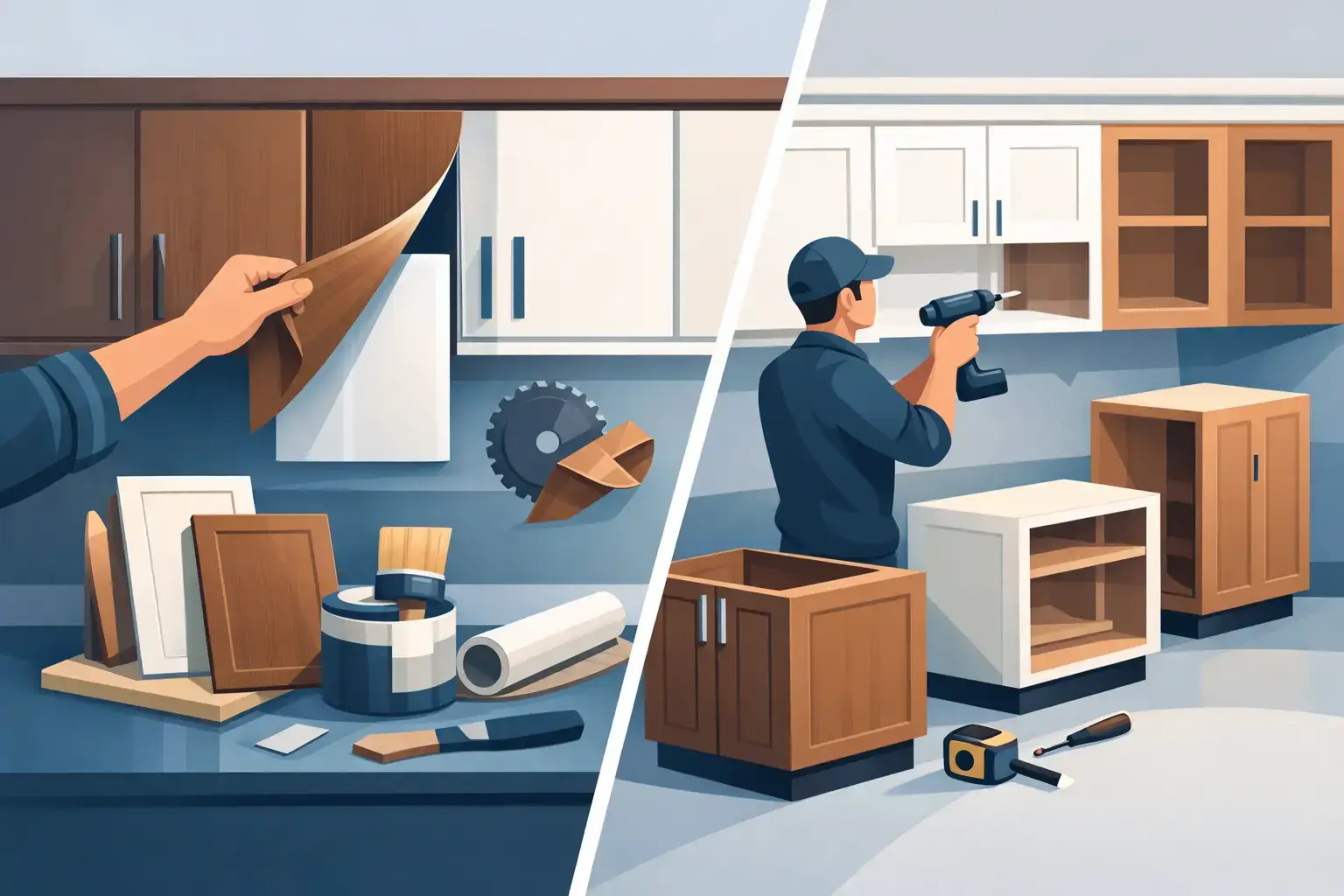
Cabinet refacing updates the visible parts of the cabinets. New doors and drawer fronts are installed, the cabinet boxes are covered to match, and new hardware can complete the change. When done well, the result can look much like new cabinetry at a much lower cost than full cabinet replacement.
That cost difference matters. Home improvements are not only about spending money. They are about spending it where it will improve the home enough to justify the investment. If your kitchen layout works, your cabinets are structurally sound, and storage meets your needs, refacing can put the budget toward the features buyers actually see and use.
A fresh cabinet style, updated pulls, a new countertop, improved lighting, and a coordinated backsplash can turn an aging kitchen into a major selling point. Even if you are not planning to sell soon, those improvements can make the room more enjoyable every day.
Refacing Helps Most When the Cabinet Boxes Are Sound
Refacing is a smart fit when the cabinet boxes are level, sturdy, and free from serious water damage. Solid wood or well-built plywood boxes often have plenty of useful life left in them, even when the doors and drawer fronts are clearly from another decade.
The existing layout should also make sense. If the work triangle is functional, appliances fit properly, and you have enough cabinet space, there may be little value in paying for demolition and all-new cabinets. Keeping a usable layout avoids extra plumbing, electrical, flooring, drywall, and countertop costs that can quickly add up during a full renovation.
This is where an honest assessment matters. A contractor should not recommend refacing just because it is less expensive. If cabinet boxes are failing, water-damaged, poorly installed, or too limited for how your family uses the kitchen, replacement may be the better long-term decision.
The difference between value and an appraisal
Homeowners often expect a remodel to raise an appraisal by the exact amount they spent. Real estate does not work that neatly. An appraisal considers the overall home, nearby sales, location, square footage, condition, and market demand. A refaced kitchen may not create a separate line item equal to the project cost.
Its value often shows up another way: the home feels more move-in ready. Buyers may be more willing to schedule a showing, make a stronger offer, or choose your home over a similar one with an obviously dated kitchen. A home that needs less immediate work can also attract buyers who are stretched by moving costs and do not want another major project waiting for them.
What Buyers Notice in a Refaced Kitchen
Buyers are usually not inspecting cabinet construction with the same eye as a cabinetmaker. They notice the overall impression first. Are the cabinets clean and consistent? Do doors close properly? Is the style current without being overly personal? Does the kitchen look maintained?
Neutral, durable finishes generally have broader appeal than highly specific colors or trendy combinations that may feel dated quickly. Warm whites, soft grays, natural wood looks, and classic hardware choices tend to work well because they allow buyers to imagine adding their own furniture and decor.
Details matter more than many homeowners expect. Crooked doors, uneven gaps, peeling surfaces, and cheap-looking trim can make an update feel temporary. On the other hand, carefully fitted doors, properly finished cabinet faces, quality hinges, and clean installation communicate that the work was done right.
Function matters, too. Adding practical upgrades during a refacing project can strengthen the result. Soft-close hinges, full-extension drawers, a pantry pullout, trash storage, or better interior organization can improve daily use without rebuilding the entire kitchen. These features may not dramatically change an appraisal on their own, but they can make the kitchen feel more thoughtful and complete.
When Kitchen Refacing May Not Increase Value Enough
There are situations where refacing is not the best route. If the kitchen has a poor layout, very limited storage, major moisture damage, sagging cabinets, or outdated electrical and plumbing that must be addressed, installing new cabinets may make more sense. Refacing cannot fix problems behind the cabinet face.
It can also be hard to recover the cost of any kitchen project if the home is already priced at the top of its neighborhood. Buyers and appraisers compare homes with nearby properties. A high-end cabinet finish in a modest market may make your home easier to sell, but it may not support a large price jump.
Timing is another factor. If you plan to sell within a few months, choose updates carefully. A simple, well-executed refresh may be wiser than an elaborate custom design that costs more than the local market will reward. If you expect to stay for years, the value includes your own enjoyment, easier maintenance, and the ability to spread the investment over more time.
How to Get the Most Value From Refacing
Start with the condition of the room, not just cabinet color. A beautiful refacing job will have less impact if the counters are badly worn, lighting is dim, or the floor is damaged. You do not need to replace everything at once, but the room should feel coordinated.
Choose materials and finishes that fit the home. A simple ranch in Broadview Heights, a family home in Middleburg Heights, and a larger home in Westlake may call for different choices, but all benefit from workmanship that looks appropriate to the property. The goal is not to copy a showroom kitchen. It is to create a clean, lasting kitchen that belongs in the home.
Keep the project balanced. Spend where it shows and where it improves use, but avoid adding costly features simply because they are fashionable. Cabinet refacing paired with sensible upgrades often delivers a better value than replacing good cabinet boxes just to say the kitchen is brand new.
Workmanship is also part of the return. Kitchen Perfect has more than 25 years of experience helping local homeowners update kitchens with refacing, refinishing, and new cabinetry when needed. Having the work handled directly, including components made through an in-house cabinet shop, helps keep quality and costs under closer control.
A Practical Choice Before Selling or Staying
If your cabinets are sound and your kitchen layout works, refacing can be one of the most practical ways to improve the room that buyers notice most. It can modernize the home, reduce visible wear, and help your property stand out without putting full replacement costs into cabinets that did not need to be torn out.
Before making a decision, look at your kitchen honestly. If the structure is good but the appearance is holding the room back, a well-planned refacing project may be the update that makes your home feel more valuable to the people who matter most: your family now and future buyers when the time comes.